

Online Business Planning: A Complete Guide to Build a Successful Business
Online business planning helps you define your goals, understand your audience, choose a suitable business model, and create a practical roadmap for long-term growth. A well-structured plan can help you use your time, resources, and marketing efforts more effectively.
Whether you are a beginner, freelancer, creator, or small business owner, this guide will help you understand the key elements of online business planning and how to put them into practice.
What Is Online Business Planning?
Online business planning is the process of setting clear business goals, researching your market, choosing a business model, and organizing the activities needed to build and grow an online business.
A business plan does not have to be complicated. It can be a simple document that explains what you want to offer, who you want to serve, how you will reach your audience, and how you will manage your operations.
The purpose is to give your business a clear direction and help you make informed decisions.
Why Is Online Business Planning Important?
A clear online business plan can help you:
Understand your business idea and its potential audience.
Set realistic goals and priorities.
Choose a business model that matches your skills and resources.
Plan your marketing and customer acquisition activities.
Estimate costs and potential revenue.
Identify challenges before they become bigger problems.
Organize daily tasks and responsibilities.
Review progress and make improvements over time.
Planning cannot guarantee success, but it can help you work with greater clarity and avoid unnecessary confusion.
Key Elements of an Online Business Plan
A practical online business plan usually includes the following elements.
Business Idea
Describe the product, service, or content you want to offer. Explain the problem it solves and why someone might find it useful.
Target Audience
Identify the people you want to reach. Consider their needs, interests, challenges, and the type of solution they may be looking for.
Market Research
Study existing businesses, competitors, customer feedback, and market demand. Look for opportunities to offer a useful or distinctive solution.
Business Model
Decide how your business will create value and generate revenue. Common models include freelancing, digital products, e-commerce, online education, and affiliate marketing.
Products or Services
Explain what you will sell or provide. Include the main features, benefits, delivery method, and customer support requirements.
Marketing Strategy
Plan how you will reach potential customers through content marketing, search engine optimization, email marketing, social media, or other relevant channels.
Operations Plan
Outline the tools, processes, resources, and daily activities needed to run your business.
Financial Plan
Estimate startup expenses, recurring costs, pricing, expected revenue, and the resources needed to operate your business.
Growth Plan
Decide how you will improve your products, reach more customers, strengthen your operations, and expand your business over time.
Steps to Create an Online Business Plan
Follow these practical steps to create a plan that suits your business.
Step 1: Define Your Business Goals
Decide what you want to achieve. Your goals might include launching a service, selling a digital product, building an audience, or establishing an online store.
Make your goals specific and realistic.
Step 2: Research Your Audience
Understand who your potential customers are, what they need, and what problems they want to solve. Use customer conversations, surveys, search trends, and competitor research to gather useful information.
Step 3: Choose a Suitable Business Model
Select a model that matches your skills, interests, budget, and available resources. Consider how you will deliver value and earn revenue.
Step 4: Validate Your Business Idea
Before investing heavily, test whether people are interested in your offer. You can speak with potential customers, publish a simple landing page, offer a trial service, or test a small product.
Step 5: Plan Your Products or Services
Define what you will offer, how it will work, what customers will receive, and how you will deliver it.
Step 6: Prepare a Marketing Strategy
Choose suitable marketing channels and plan how you will attract visitors, communicate your offer, and build relationships with potential customers.
Step 7: Estimate Your Budget
List expected expenses such as website hosting, domain registration, software, marketing, payment processing, and other operating costs.
Step 8: Organize Your Daily Operations
Decide how you will manage inquiries, customer communication, orders, delivery, records, and support.
Step 9: Set a Timeline
Break your plan into manageable tasks. Assign realistic deadlines for research, setup, launch, marketing, and review.
Step 10: Review and Improve
Check your progress regularly. Use customer feedback, business results, and changing requirements to improve your plan.
Popular Online Business Models to Consider
There are several ways to build an online business. Choose one that matches your capabilities and audience.
Freelancing
Offer services such as writing, graphic design, web development, video editing, consulting, or virtual assistance.
Digital Products
Create and sell ebooks, templates, worksheets, planners, online resources, and downloadable files.
E-commerce
Sell physical products through an online store or marketplace. Consider inventory, suppliers, shipping, payments, and customer support.
Affiliate Marketing
Recommend relevant products or services and earn commissions through qualifying purchases or actions under an affiliate program.
Content-Based Business
Build an audience through blogging, videos, newsletters, podcasts, or social media. Potential revenue sources include advertising, sponsorships, products, and services.
Online Education
Offer courses, tutorials, workshops, or learning resources that help people develop specific skills.
Essential Tools for Online Business Planning
Digital tools can help you organize and manage your business activities.
Project and Task Management Tools
Use task managers and project planning tools to organize responsibilities, deadlines, and business activities.
Financial Planning Tools
Spreadsheets and budgeting applications can help you estimate expenses, track income, and review cash flow.
Website and Store Platforms
Website builders and e-commerce platforms can help you establish your online presence and present your products or services.
Marketing Tools
Content creation, email marketing, and social media tools can support your marketing activities and audience communication.
Analytics Tools
Analytics platforms can help you understand website traffic, visitor behavior, and campaign performance.
Customer Management Tools
CRM platforms help organize contacts, record interactions, and manage follow-up activities.
Choose tools based on your requirements and budget. You do not need to use every available platform when starting out.
Common Online Business Planning Mistakes
Avoid these common planning mistakes:
Starting without understanding your target audience.
Choosing a business model only because it is popular.
Ignoring market research and competitor activity.
Setting unrealistic goals and timelines.
Underestimating operating costs.
Spending heavily before testing demand.
Trying to use too many tools at the beginning.
Ignoring customer feedback.
Failing to review business performance.
Making a plan but never updating it.
A practical plan should guide your decisions while remaining flexible enough to adapt when you learn something new.
How to Turn Your Business Plan into Action
A business plan becomes useful when you put it into practice.
Start by choosing your most important goal. Break it into smaller tasks and decide which activities need to happen first.
For example:
Finalize your business idea.
Research your target audience.
Select your business model.
Prepare a basic product or service.
Create your website or online profile.
Set up a suitable way to receive inquiries or orders.
Begin publishing useful content and promoting your offer.
Review feedback and improve your process.
Focus on consistent progress rather than trying to complete everything at once.
Frequently Asked Questions
What is online business planning?
Online business planning is the process of defining business goals, researching an audience, selecting a business model, planning resources, and organizing the activities required to run an online business.
Do I need a business plan to start an online business?
A formal document is not always necessary at the beginning. However, a simple written plan can help you understand your goals, audience, costs, and next steps.
What should an online business plan include?
It should generally include a business idea, target audience, market research, business model, products or services, marketing strategy, operations, financial estimates, and growth goals.
Which online business model is best for beginners?
There is no single best model for everyone. Freelancing, digital products, content creation, and online education are options worth exploring according to your skills, resources, and audience.
How often should I review my online business plan?
Review it regularly and whenever important conditions change, such as customer needs, expenses, business performance, or your goals.
Final Thoughts
Effective online business planning gives you a clearer direction and helps you organize the decisions involved in building an online business. Start with a realistic idea, understand your audience, choose a suitable business model, and take manageable steps toward your goals.
Explore more practical guides on Prernaa to learn about starting an online business, lead generation, digital products, content marketing, and business productivity.
Related Guides
Explore practical guides to build your online business, attract customers, and grow your digital presence.

Start an Online Business
Learn how to start an online business, explore business models, and get practical steps to build your online presence.
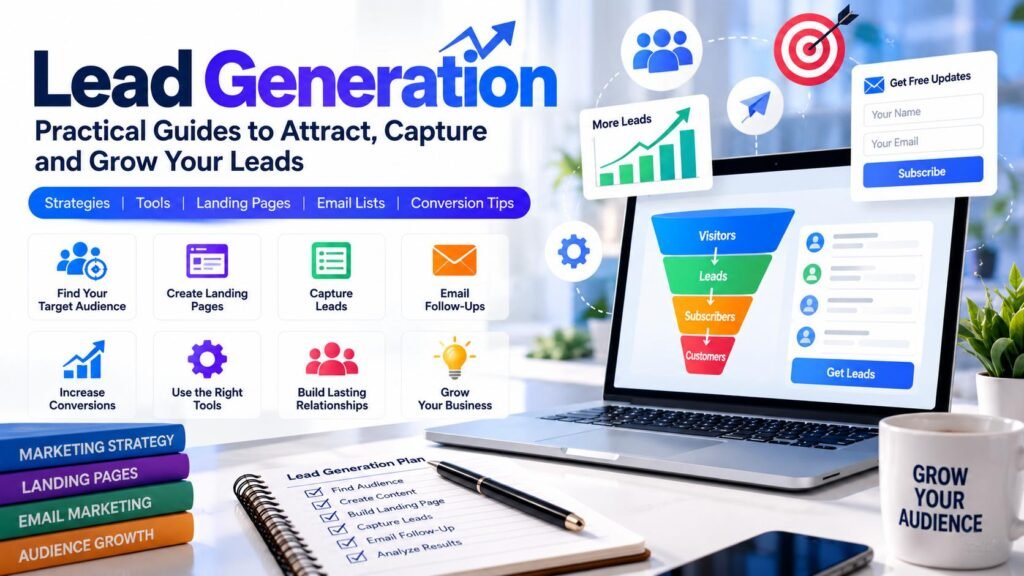
Lead Generation
Discover how to attract potential customers, capture leads, and build an audience for your business.
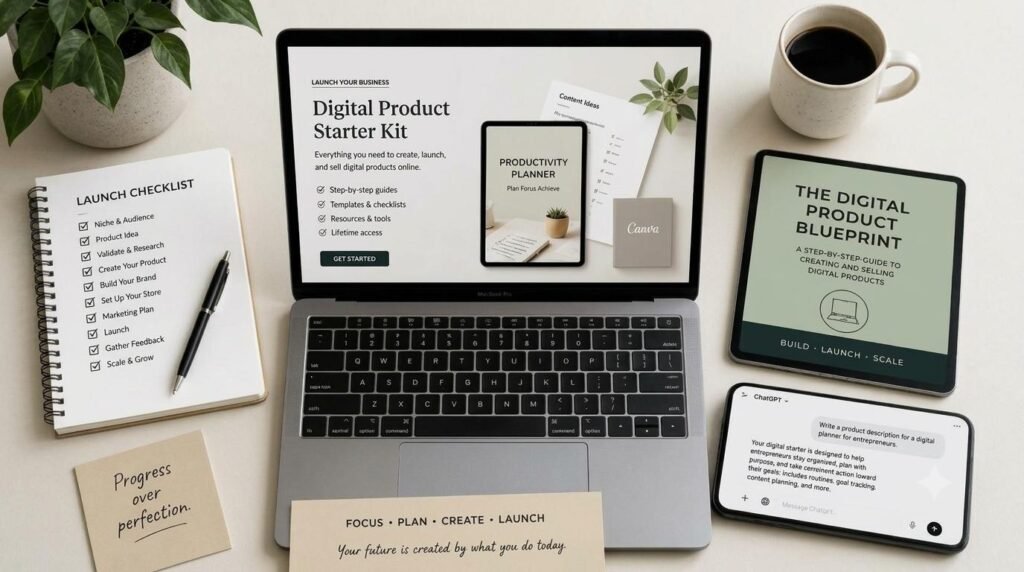
Digital Products
Discover how to create and sell ebooks, templates, online courses, and other digital products.
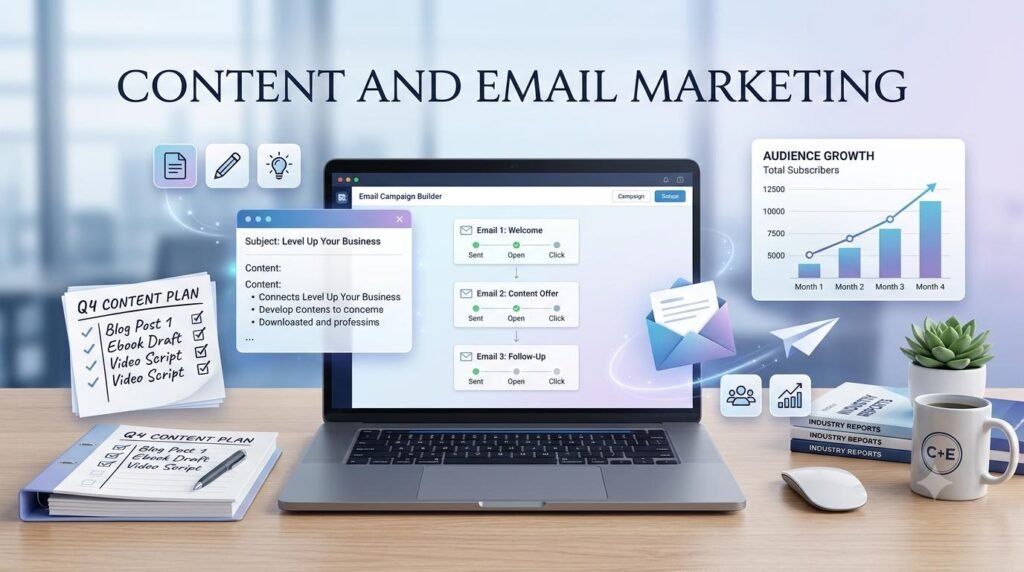
Content and Email Marketing
Explore content marketing, email campaigns, and practical strategies to attract customers and grow your audience.

AI Workflows
Learn how to use AI-powered workflows to streamline tasks, save time, and improve productivity.

Freelancing
Discover how to offer online services, find clients, organize your work, and develop your freelance business.