

Digital Products: How to Create and Sell Online
Digital products are goods that customers can access or download electronically instead of receiving as physical items. Examples include ebooks, templates, online courses, planners, digital artwork, software, and downloadable resources.
Creating digital products can be an opportunity to turn your knowledge, skills, or creative work into something useful for a specific audience. This guide explains how to choose an idea, create a product, prepare it for sale, and improve your digital product business.
Explore our Digital Business guides to discover how to create, launch, market, and sell digital products as part of your online business.
What Are Digital Products?
Digital products are items created, stored, and delivered in digital formats. Customers usually receive access through a download link, an online platform, an email, or a customer account.
Common examples include:
Ebooks and PDF guides.
Business plans and document templates.
Social media templates and content calendars.
Online courses and video tutorials.
Printable planners and worksheets.
Digital artwork, icons, and design assets.
Spreadsheets and calculators.
Software, plugins, and digital tools.
Audio files and learning resources.
The right product depends on your knowledge, skills, audience needs, and ability to provide ongoing value.
Why Create Digital Products?
Digital products offer several potential advantages:
Flexible Delivery
Customers can access many digital products online without waiting for physical shipping.
Low Physical Inventory Requirements
Unlike physical goods, downloadable products do not require traditional stock storage or packaging.
Different Product Formats
You can create resources in formats that suit your expertise, such as PDFs, templates, videos, spreadsheets, or online learning materials.
Opportunity to Reach Wider Audiences
A digital product can be presented to customers in different locations through an online store or marketplace, subject to payment, platform, and legal requirements.
Potential for Repeatable Sales
A product can be sold to multiple customers without recreating the entire item for every order. However, marketing, customer support, updates, and maintenance still require work.
Popular Types of Digital Products
Explore these product categories when choosing what to create.
Ebooks and PDF Guides
Ebooks can teach a skill, explain a process, provide practical advice, or organize useful information around a specific topic.
Templates
Templates help customers save time by providing ready-to-use structures for documents, presentations, business planning, content creation, and everyday tasks.
Online Courses
Courses combine lessons, videos, exercises, and learning resources to help people develop knowledge or practical skills.
Planners and Worksheets
Digital planners, trackers, checklists, and worksheets help customers organize goals, projects, budgets, schedules, and activities.
Design Resources
Design products may include presentation layouts, social media graphics, icons, illustrations, and other creative assets.
Spreadsheets and Calculators
Ready-made spreadsheets and calculators can help users organize information, perform calculations, and manage specific tasks.
Software and Digital Tools
Software products, plugins, and web-based tools can solve particular problems. They may require technical development, testing, security updates, and ongoing support.
How to Choose a Digital Product Idea
A useful product starts with a real audience need.
Identify Your Knowledge and Skills
List subjects you understand, problems you can solve, and tasks you can perform confidently.
Understand Your Audience
Think about the people who might use your product. Consider their goals, questions, challenges, and current alternatives.
Research Existing Products
Explore marketplaces, search results, customer reviews, and competitor offerings. Look for gaps, recurring complaints, or opportunities to make a resource clearer and more useful.
Evaluate Product Demand
Look for evidence that people are actively seeking a solution. Search queries, customer discussions, feedback, and relevant product reviews can help you understand demand.
Choose a Manageable Format
Start with a format you can create and maintain well. A focused checklist or template may be more practical than a large course for a first product.
How to Create a Digital Product
Follow these steps to turn an idea into a useful product.
Step 1: Define the Product’s Purpose
Write down the problem your product will solve and the result a customer should be able to achieve.
Step 2: Plan the Content or Features
Prepare an outline of the topics, sections, lessons, templates, or functions the product needs.
Step 3: Create the First Version
Use suitable writing, design, presentation, spreadsheet, or development tools to create the product.
Step 4: Review Accuracy and Quality
Check facts, instructions, formatting, links, calculations, spelling, and usability. Make sure the product delivers what its description promises.
Step 5: Test the Customer Experience
Open files on different devices where practical. Test downloads, navigation, forms, links, and any interactive features.
Step 6: Prepare Product Documentation
Explain what the customer receives, how to use it, any technical requirements, and the permitted usage or licence terms.
Step 7: Collect Feedback
Ask suitable reviewers or early users to identify unclear instructions, missing information, and usability problems.
Step 8: Finalize and Package
Prepare the final files, organize folders, use clear filenames, and create a professional product preview.
How to Price Digital Products
Pricing depends on the product’s usefulness, quality, audience, format, complexity, and competing alternatives.
Consider these factors:
Time and effort required to create the product.
Research, design, and development costs.
The problem the product helps customers solve.
Similar products and their pricing.
Customer expectations and purchasing power.
Platform fees, payment charges, and applicable taxes.
Support, updates, and maintenance requirements.
You can test different pricing approaches, such as a single price, product bundles, tiered editions, or recurring subscriptions where appropriate.
Avoid choosing a price only because another seller uses it. Make sure the price is sustainable and clearly communicated.
Where to Sell Digital Products
You can use different channels depending on the type of product and the experience you want to provide.
Your Own Website
An online store gives you control over product pages, branding, customer information, and the shopping experience. You are also responsible for website maintenance, payment setup, security, and customer support.
Digital Marketplaces
Marketplaces can help you present products to an existing audience. Review their fees, policies, competition, and seller requirements before choosing one.
Course Platforms
If you sell structured learning materials, a course platform may provide lessons, student access, progress tracking, and other learning features.
Social Media and Content Channels
You can use useful posts, tutorials, videos, and newsletters to introduce your products and direct interested people to your product pages.
Choose a selling channel that matches your audience and operational needs.
How to Market Digital Products
Creating a product is only one part of the process. Potential customers also need to discover it and understand its value.
Content Marketing
Publish useful articles, tutorials, videos, and guides related to the problems your product addresses.
Search Engine Optimization
Use relevant search terms in product titles, descriptions, headings, and page content. Write naturally and focus on explaining the product clearly.
Email Marketing
Build an audience through voluntary subscriptions. Share helpful information, product updates, and relevant offers with subscribers who have agreed to receive your messages.
Social Media Marketing
Share product demonstrations, practical tips, previews, and customer feedback where you have permission to use it.
Product Demonstrations
Show how a template, guide, tool, or course works. Clear previews can help customers understand what they will receive.
Customer Reviews
Invite genuine feedback from customers. Use reviews accurately and obtain permission before publishing identifiable testimonials.
Useful Tools for Creating Digital Products
Choose tools according to your product format and workflow.
Writing tools: Prepare ebooks, guides, and written resources.
Design tools: Create covers, graphics, presentations, and templates.
Spreadsheet tools: Build trackers, calculators, and planning resources.
Video tools: Record and edit tutorials or course lessons.
Website platforms: Create product pages and online stores.
Payment tools: Accept payments through supported payment providers.
Email tools: Send order information, updates, and newsletters.
Analytics tools: Understand product-page visits and customer behavior.
Check licensing, commercial-use permissions, privacy policies, and platform fees before using any tool in a commercial product workflow.
Common Digital Product Mistakes to Avoid
Avoid these mistakes when creating and selling digital products:
Creating a product without understanding customer needs.
Choosing an idea only because it is trending.
Copying another creator’s content or designs.
Making unsupported claims about product results.
Using unclear product descriptions or previews.
Ignoring file quality and device compatibility.
Forgetting to explain licence and usage terms.
Setting prices without considering costs and fees.
Neglecting customer support and product updates.
Spending heavily on promotion before testing the offer.
Original work, honest descriptions, and a useful customer experience help build trust.
How to Grow a Digital Product Business
After launching your first product, focus on learning from customer behavior and improving the offer.
Improve Existing Products
Use customer feedback to fix errors, clarify instructions, and add genuinely useful improvements.
Create Related Products
If customers find one resource useful, consider creating complementary templates, guides, or learning materials.
Build Product Bundles
Combine related products into a convenient package when the items provide value together.
Strengthen Your Online Presence
Publish useful content and build a recognizable brand around the problems you help solve.
Improve Customer Support
Provide clear instructions, answer genuine questions, and explain how customers can access their purchases.
Review Business Performance
Track relevant measures such as product-page visits, sales, conversion rates, refunds, customer feedback, and operating costs.
Grow gradually and make decisions based on evidence rather than assumptions.
Frequently Asked Questions
What are digital products?
Digital products are goods delivered electronically, such as ebooks, templates, online courses, planners, software, and downloadable resources.
Can beginners create digital products?
Yes. Beginners can start with a focused product based on a skill or subject they understand, such as a checklist, worksheet, guide, or simple template.
Which digital products can I sell online?
You can explore ebooks, PDF guides, templates, planners, online courses, design assets, spreadsheets, software, and other original digital resources.
Do digital products require inventory?
Digital downloads generally do not require physical inventory, but sellers still need to manage files, delivery, customer support, updates, and platform requirements.
How can I sell digital products from my own website?
You need a suitable website or e-commerce setup, product pages, a supported payment method, secure digital delivery, and clear customer and refund policies.
How do I promote digital products?
You can use search-friendly content, email marketing with consent, social media, product demonstrations, relevant partnerships, and customer recommendations.
Can I sell the same digital product more than once?
Generally, yes, provided you own or have the necessary commercial distribution rights and comply with the product’s licence terms and applicable laws.
Final Thoughts
Digital products offer a way to turn knowledge, skills, and creative work into useful online resources. Start with a clear customer problem, choose a manageable format, create an original and well-tested product, and explain its value honestly.
Improve your product using customer feedback and build a practical marketing process that you can maintain consistently.
Explore more guides on Prernaa to learn about online business planning, freelancing, lead generation, content marketing, and digital productivity.
Related Guides
Explore practical guides to create digital products, build your online business, attract customers, and grow your digital presence.

Start an Online Business
Learn how to choose a business idea, understand your audience, and build a practical foundation for an online business.

Online Business Planning
Discover how to set business goals, research your market, plan resources, and organize your business activities.
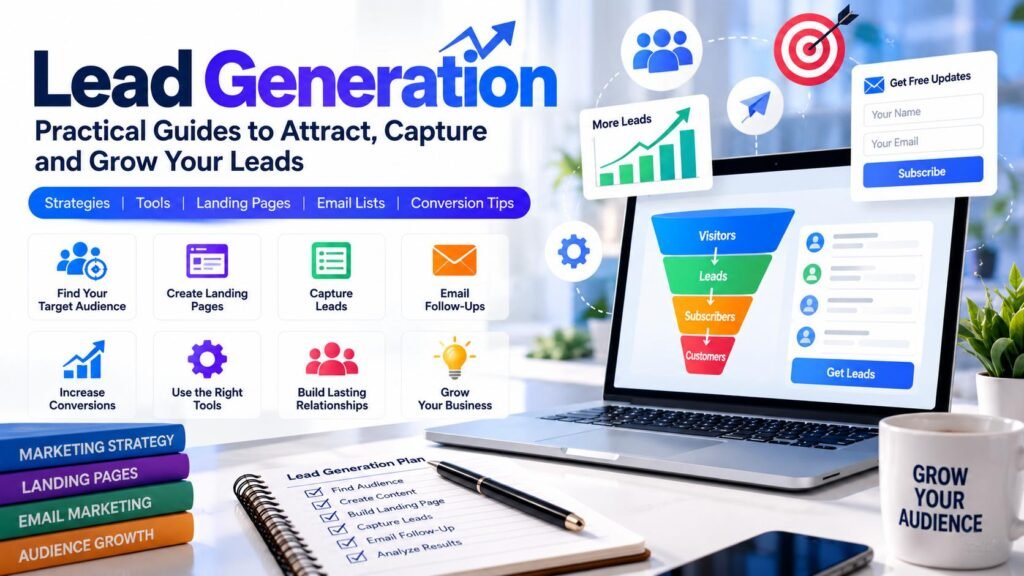
Lead Generation
Learn how to attract potential customers, capture inquiries, and build relationships with interested audiences.
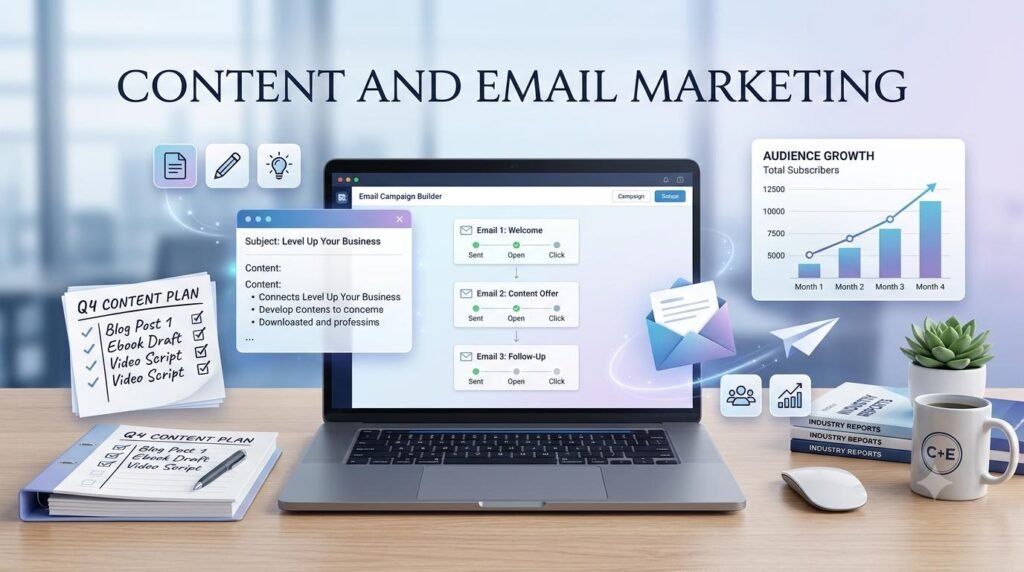
Content and Email Marketing
Learn how to create useful content, communicate with your audience, and organize email marketing campaigns.

AI Workflows
Discover practical AI workflows for research, content creation, business tasks, and everyday productivity.

Freelancing
Discover how to offer online services, find clients, organize your work, and develop your freelance business.