

Email Follow-Up: A Complete Guide to Engage Subscribers and Build Stronger Relationships
Email follow-up is an important part of digital marketing because it helps you stay connected with people who have shown interest in your content, products, or services. A well-planned email follow-up process allows you to share useful information, deliver promised resources, answer common questions, and guide subscribers toward the next step.
Whether you are a blogger, freelancer, small business owner, or digital product seller, learning how to use email follow-up effectively can help you grow your audience and develop long-term relationships with subscribers.
1. What Is Email Follow-Up?
Email follow-up means sending relevant and helpful emails to people who have subscribed to your list, downloaded a resource, submitted a form, or expressed interest in your business.
These emails may include welcome messages, educational content, useful resources, product information, reminders, or answers to common questions.
The goal is to provide value and maintain a meaningful connection with subscribers rather than sending unwanted or irrelevant messages.
2. Why Is Email Follow-Up Important?
A good email follow-up process can help you:
Welcome new subscribers and set clear expectations.
Deliver resources or information you promised.
Build trust by sharing useful information.
Keep your audience engaged with relevant content.
Answer questions and reduce confusion.
Introduce relevant products or services.
Encourage repeat visits to your website.
Create opportunities for future business.
Email follow-up gives you a way to communicate with people who have already shown interest in your topic or offer.
3. Types of Email Follow-Up Messages
Different types of emails can be used at different stages of your relationship with subscribers.
Welcome Emails
Welcome emails introduce your brand, thank new subscribers, and explain what they can expect from your emails.
Educational Emails
Educational emails share useful tips, tutorials, guides, and practical information related to your audience’s interests.
Resource Delivery Emails
These emails provide the ebook, checklist, template, or other resource promised during signup.
Product or Service Information
These emails explain relevant products, services, features, or offers to subscribers who may be interested.
Case Studies and Success Stories
Case studies show practical examples, experiences, or results that help readers understand how a product, service, or approach works.
Reminder Emails
Reminders can help subscribers remember an upcoming event, an unfinished registration, or an important resource, where appropriate.
Re-Engagement Emails
Re-engagement emails reach subscribers who have become inactive and invite them to reconnect with relevant content or preferences.
4. How to Create an Effective Email Follow-Up Sequence
Follow these steps to create a useful and well-structured email follow-up sequence.
Define Your Goal: Decide whether you want to welcome subscribers, deliver a resource, educate readers, or introduce a relevant offer.
Understand Your Audience: Identify their interests, needs, questions, and reasons for subscribing.
Plan Your Email Sequence: Choose the type and number of emails that suit your goal.
Write Clear Subject Lines: Make it easy for subscribers to understand the purpose of each email.
Provide Useful Content: Share practical information instead of sending only promotional messages.
Include a Clear Call to Action: Guide subscribers toward a relevant next step.
Set an Appropriate Schedule: Space your emails sensibly and avoid overwhelming your audience.
Review and Improve: Track performance and make changes based on useful results.
5. Email Follow-Up Examples
Here are simple examples of messages you can adapt for different situations.
Example 1: Welcome Email
Subject: Welcome! Here’s What You Can Expect
Hello,
Thank you for subscribing. We’re glad to have you here.
You will receive useful guides, practical tips, and relevant resources to help you learn and grow.
We look forward to staying connected.
Example 2: Free Resource Delivery
Subject: Your Free Guide Is Ready
Hello,
Thank you for requesting our guide.
You can access your resource using the link provided below. We hope it helps you take the next step and put what you learn into practice.
Enjoy reading!
Example 3: Educational Follow-Up
Subject: A Practical Tip to Help You Get Started
Hello,
Here is a useful tip related to the topic you recently explored.
Start with one small action, apply it consistently, and review your progress. Simple improvements can help you build a more effective process over time.
Look out for more practical resources in our upcoming emails.
Example 4: Helpful Reminder
Subject: A Quick Reminder About Your Resource
Hello,
This is a friendly reminder about the resource you recently requested.
If you have not explored it yet, take a few minutes to review it when convenient. We hope you find it useful.
6. Best Practices for Email Follow-Up
Keep these principles in mind:
Send emails only to people who have appropriately subscribed or otherwise consented.
Use clear and relevant subject lines.
Personalize messages where useful and appropriate.
Provide genuine value in every message.
Keep emails concise and easy to read.
Make links and calls to action clear.
Use a consistent but reasonable sending schedule.
Include a working unsubscribe option where required.
Respect subscriber preferences and privacy.
Check your emails before sending them.
Good email follow-up should feel useful and relevant, not intrusive.
7. Common Email Follow-Up Mistakes to Avoid
Avoid these common problems:
Sending too many emails in a short period.
Using misleading subject lines.
Sending irrelevant promotional messages.
Forgetting to deliver a promised resource.
Writing emails without a clear purpose.
Ignoring subscriber preferences.
Using broken links or incorrect information.
Failing to check emails on mobile devices.
Continuing to contact people who have unsubscribed.
Measuring success only by the number of emails sent.
Focus on building a respectful relationship with your subscribers.
8. How to Measure Email Follow-Up Performance
Review these basic measurements to understand how your emails are performing:
Delivery rate: The percentage of sent emails successfully delivered.
Open rate: The percentage of delivered emails recorded as opened, where tracking is available.
Click-through rate: The percentage of recipients who click a link in your email.
Unsubscribe rate: The percentage of recipients who unsubscribe.
Conversion rate: The percentage of recipients who complete your intended action.
Email tracking can be affected by privacy features and automated activity, so use multiple indicators rather than relying on one metric alone.
9. Useful Tools for Email Follow-Up
Different tools can support your email communication process.
Email marketing platforms: Organize subscribers and send newsletters or campaigns.
Automation tools: Schedule suitable email sequences based on subscriber actions and preferences.
Form builders: Collect newsletter subscriptions and inquiries.
Analytics tools: Review campaign performance and identify areas for improvement.
CRM tools: Organize contact information and coordinate customer follow-up.
Choose tools based on your requirements, budget, privacy needs, and audience size.
Frequently Asked Questions
What is email follow-up in digital marketing?
Email follow-up is the process of sending relevant messages to subscribers or interested contacts to share information, provide resources, answer questions, and maintain relationships.
How many follow-up emails should I send?
There is no fixed number. The right sequence depends on your audience, purpose, and the value of your messages. Start with a manageable schedule and adjust based on feedback and results.
What should I write in a follow-up email?
Include a clear subject, a relevant message, useful information, and an appropriate next step. Keep the email focused on the reason for contacting the subscriber.
Is email follow-up useful for small businesses?
Yes. Small businesses, freelancers, bloggers, and digital product sellers can use email follow-up to communicate with interested people and share relevant resources.
Can email follow-up be automated?
Yes. Many email marketing platforms support automated messages, such as welcome emails, resource delivery, and scheduled educational sequences. Review automation settings regularly to ensure messages remain relevant.
Final Thoughts
Email follow-up is about building meaningful relationships through useful and timely communication. Start with a clear purpose, deliver what you promise, respect subscriber preferences, and improve your messages based on audience feedback.
Explore more practical guides on Prernaa to learn about lead generation, lead magnets, landing pages, and digital marketing strategies.
Related Guides
Explore practical guides to engage subscribers, nurture potential customers, and improve your email marketing strategy.
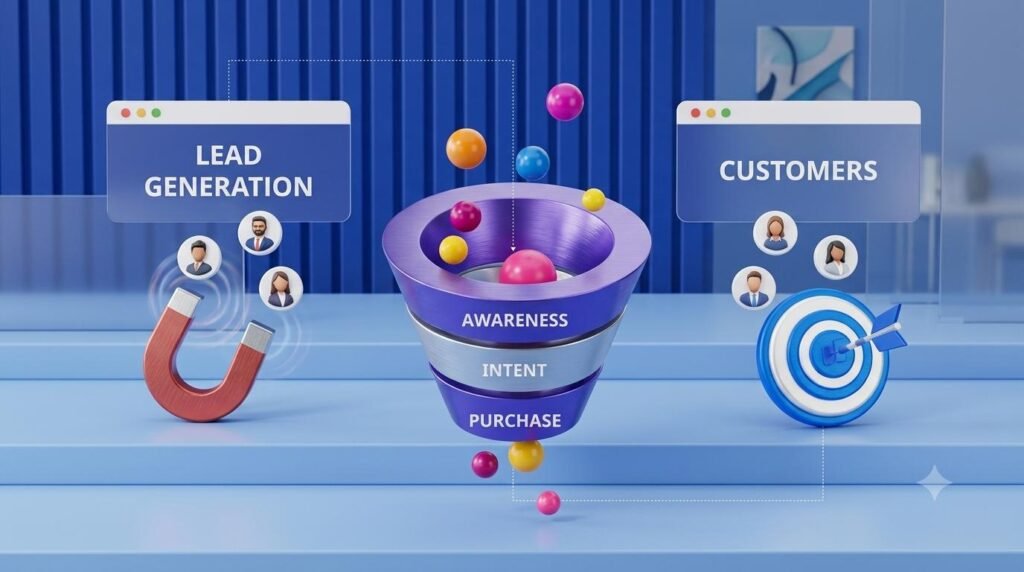
Lead Generation Basics
Learn the fundamentals of lead generation and discover practical ways to attract potential customers.
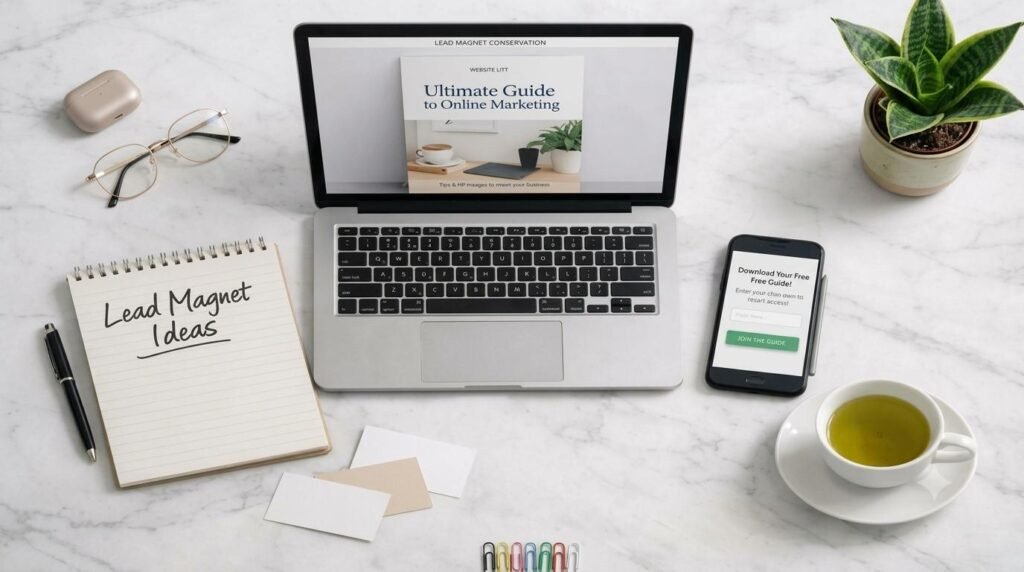
Lead Magnets
Discover how to create useful ebooks, checklists, templates, and free resources that attract interested visitors.
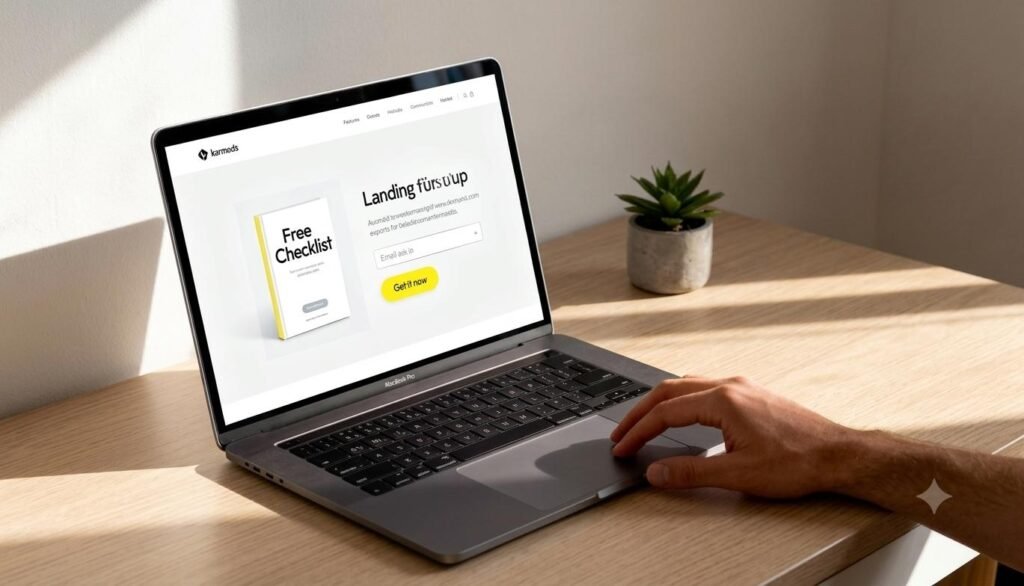
Landing Pages and Forms
Learn how to create focused landing pages and simple signup forms to capture more leads.
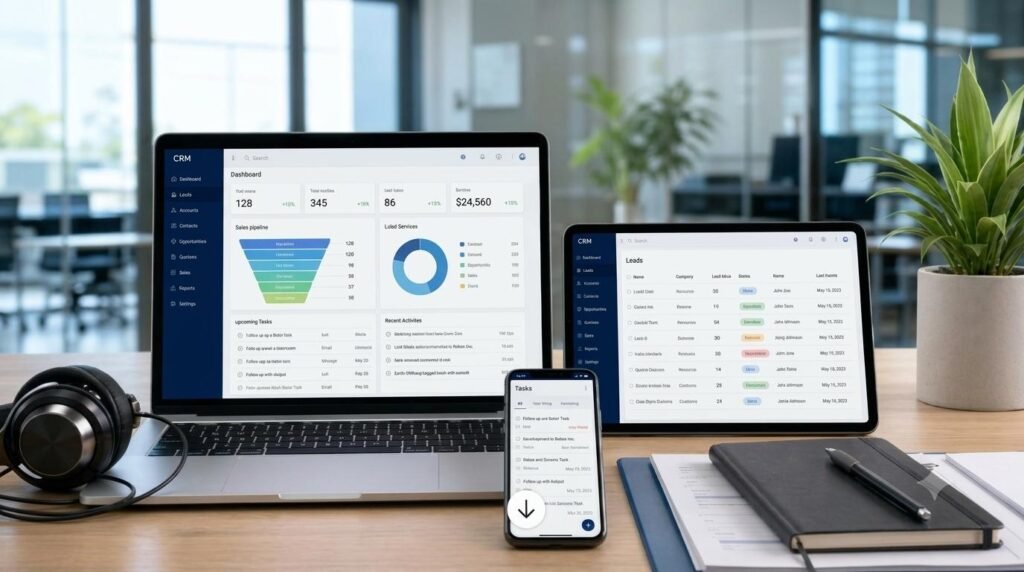
Lead Management Tools
Explore useful tools to organize leads, manage contacts, track inquiries, and improve your follow-up process.
Lead Conversion and Analytics
Learn how to measure lead conversions, analyze campaign performance, and improve your marketing results.
Content and Email Marketing
Discover how content marketing and email campaigns can attract relevant visitors and support business growth.